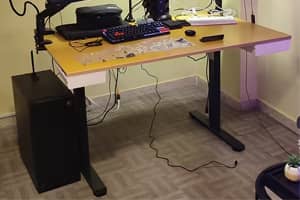
It really works. With three front fans, one over the power supply and the rear fan it keeps the case very well cooled. It should be noted that in my configuration there is a powerful Noctua NH-D15 Generation 2 CPU heatsink that does a great job of cooling and I haven't seen the difference with a lower-performance one.
It is the case I was looking for. Unobtrusive, discreet but with a nice design, no side glass or RGB lights or anything else, quiet and with good cooling.
Although I'm sure it's not the quietest case because forcing the noise you can tell it has its shortcomings in the isolation distribution, it does an excellent job of containing the sound if you pair it with quiet fans.
Dark grey grey in colour and made of steel and plastic, it has a good material finish that gives it the appearance of a quality piece of furniture.
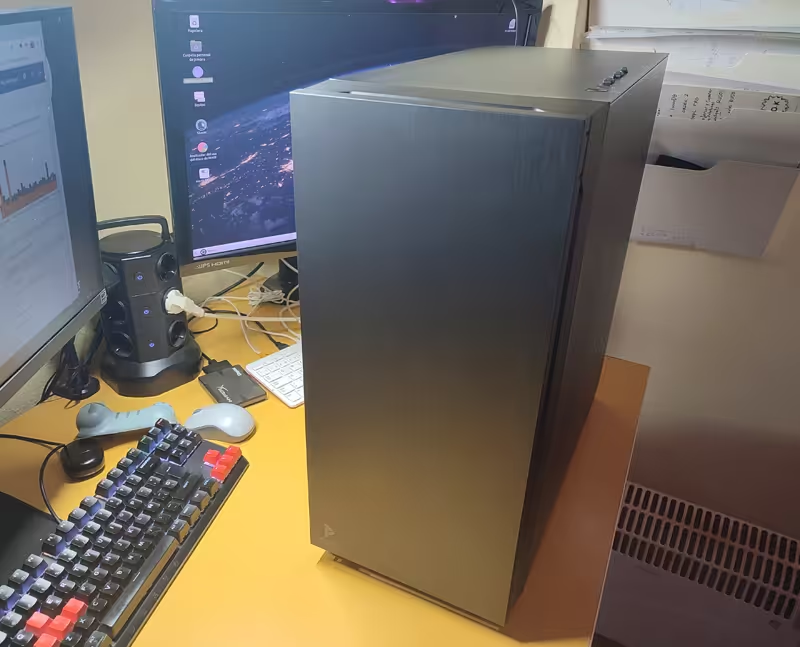
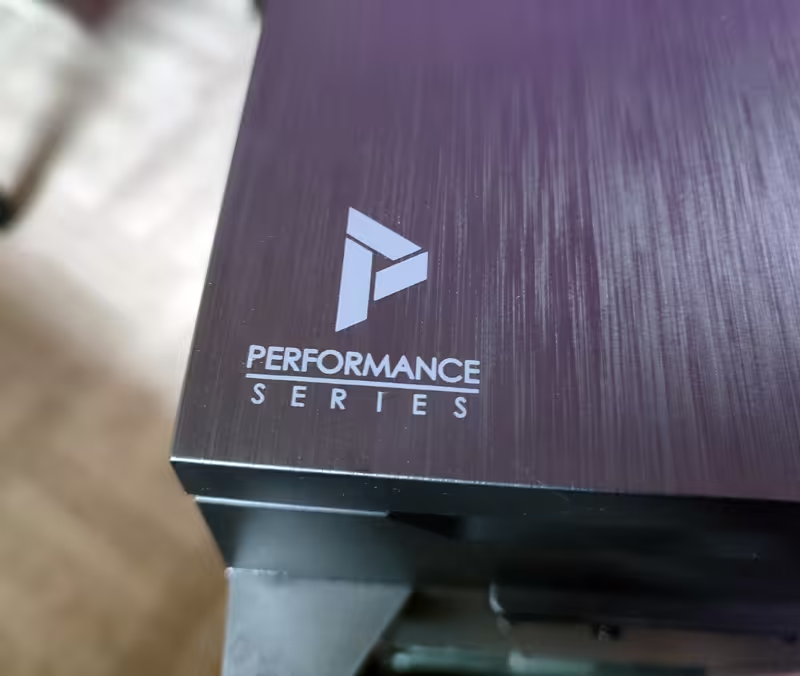
The front door is a plastic panel with a finish that simulates the look of brushed aluminium and is well done. In the bottom left corner is the Antec logo with the "Perfomance" series legend.
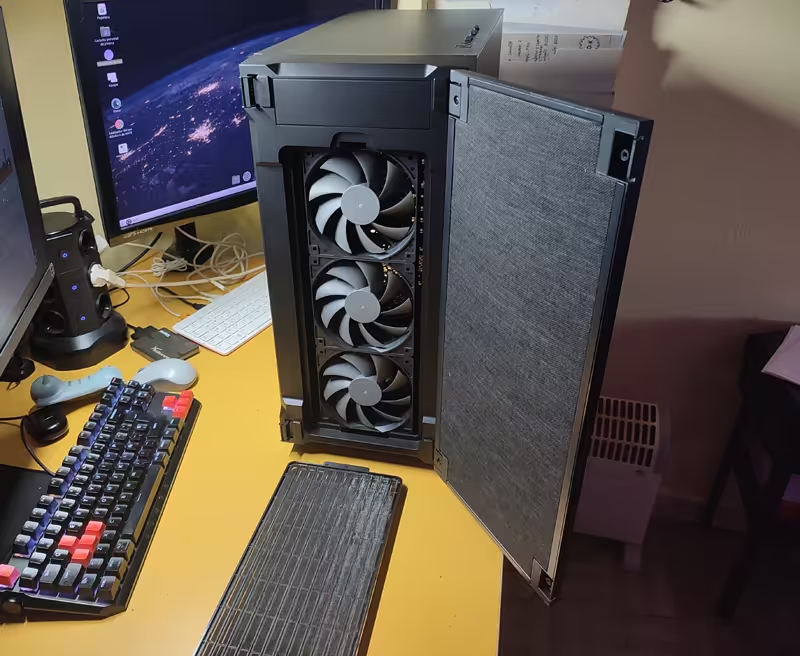
The front door reveals the dust grille covering the front fans (3). This grille is easily removed by pressing its upper flap.
The door, side panels and top are covered with foam for sound insulation. The rear is not insulated.
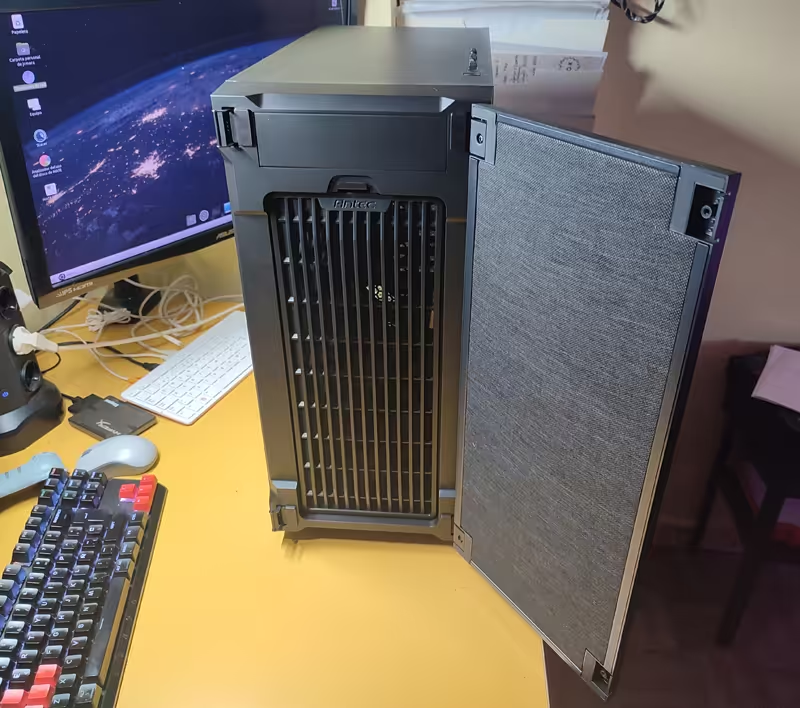
The door can be easily removed by removing its two screws to position it on the left or on the right. This door closes well thanks to its magnets. However, the slamming is too abrupt and it makes a lot of slamming noise if you don't follow it with your hand.
At the top right of the box is the control panel.
The location of the panel is a mistake. It is annoying to manipulate the case when the PC is on, you have to be very careful if you have cats used to walk on the tower or children who press buttons compulsively.
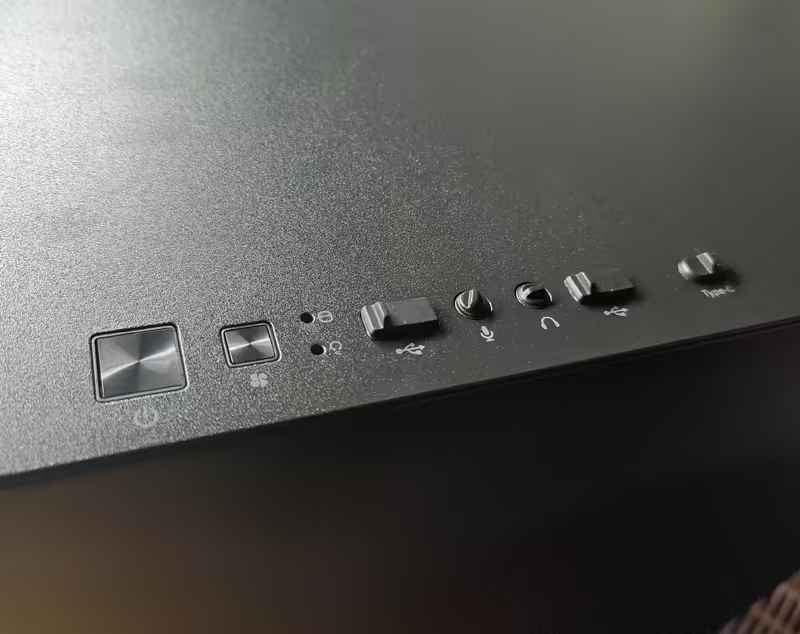
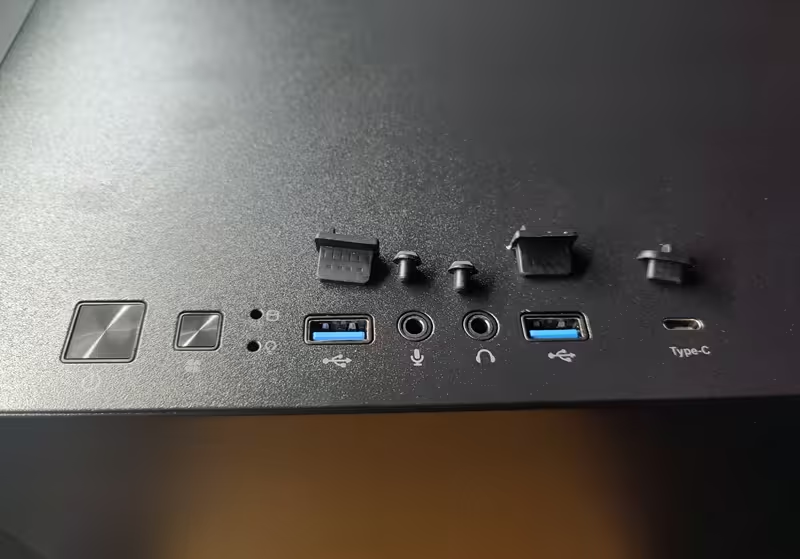
Although they have protective rubber caps to cover the connectors, they are still an entry point for dust. Not to mention that if liquid is accidentally spilled, the chances of it getting into the case are greatly increased.
From left to right, this is what is on the panel:
- Switching on and off
- Fan speed control button (2 speeds). In my case I have removed the fan controller, as I have replaced them with my PWM ones, and I have used this button for the RESET function.
- Two small LED lights. A fixed white one that indicates that the PC is on and a red one that shows the hard disk activity.
- One 3.5" microphone jack
- One 3.5" output jack, for headphones
- Two USB 3.0 ports, one on each side of the audio connectors
- One USB 3.1 Gen 2 Type-C port
The space is generous and has good cable routing channels. There is also some cable hiding space, albeit a bit cramped, around the edge.

It has different slots for 2.5" (4) and 3.5" (2) discs and even a 5.25" holder for a 5.25" ODD(Optical Disc Drive) such as a CD, DVD, Blu-ray that can be removed (yes, someone is supposed to still be mounting them) and can be used to put something else in there.

It incorporates a two-speed hub or controller for the fans (DC) which is included (4) as standard.
As I already mentioned, I removed it and replaced the fans with PWM fans. In the first test with the standard fans, although they seemed quiet at first, they are no longer so under load.
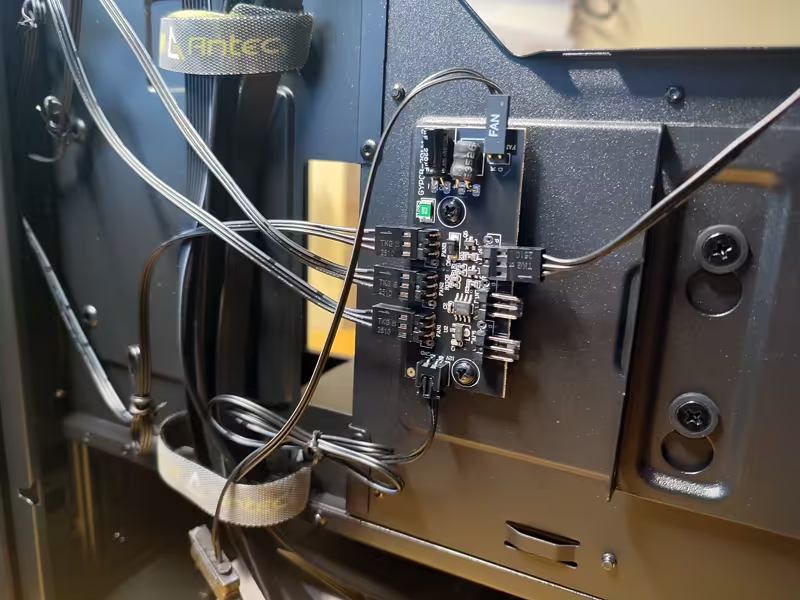
The hub in the centre of the picture (its "FAN" connector was useful to connect it to the RESET of the board and use its fan speed control button for the RESET that was not included in the panel).

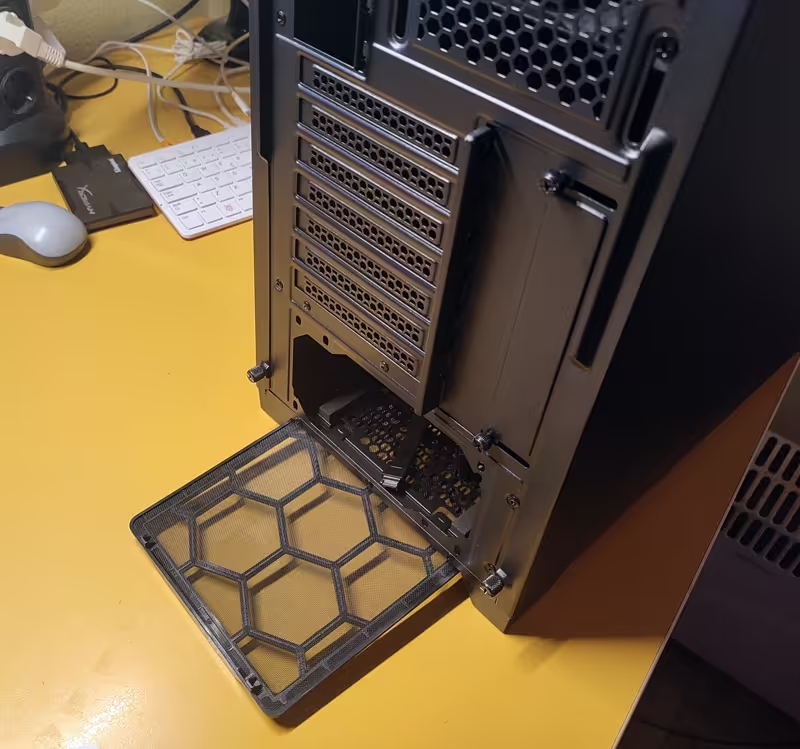
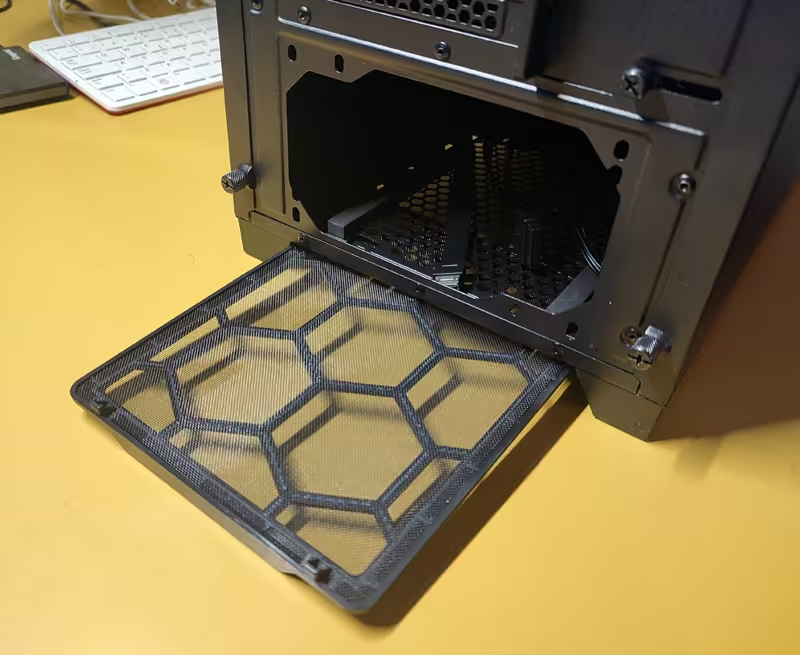
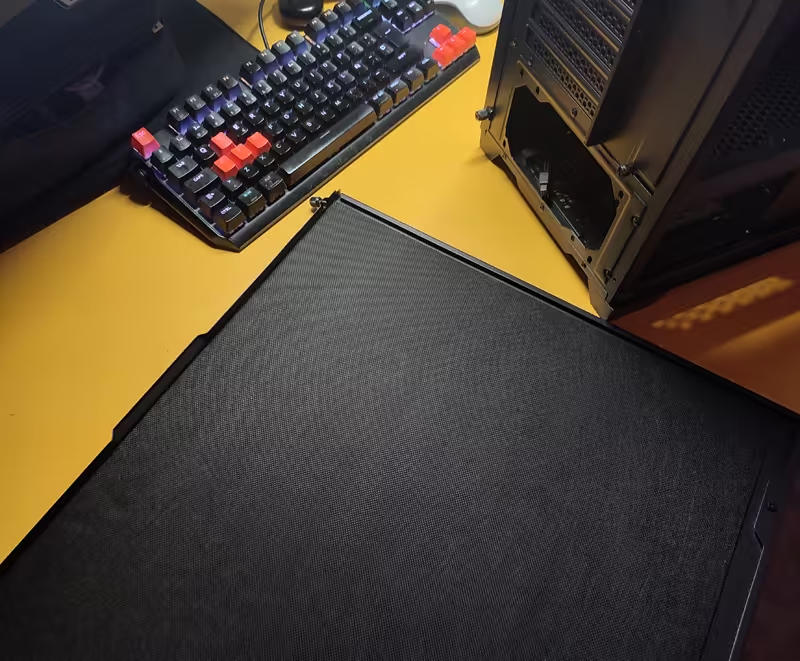
At the bottom rear there is a removable dust filter located underneath the source. The issue of the location of the running rail is not very well solved and forces you to lift the case a bit because you can barely fit your fingers to get it out.
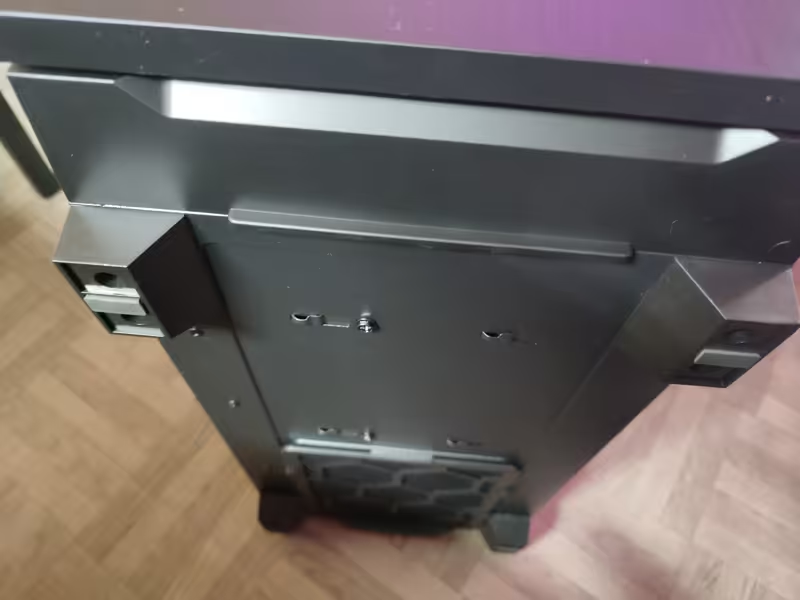
The legs are part of the structure and incorporate rubber feet. Although these legs are rather short, I think they raise it enough to allow airflow under the case.
I tried putting it on a stand, but it wasn't very stable, so I left it on its native legs.
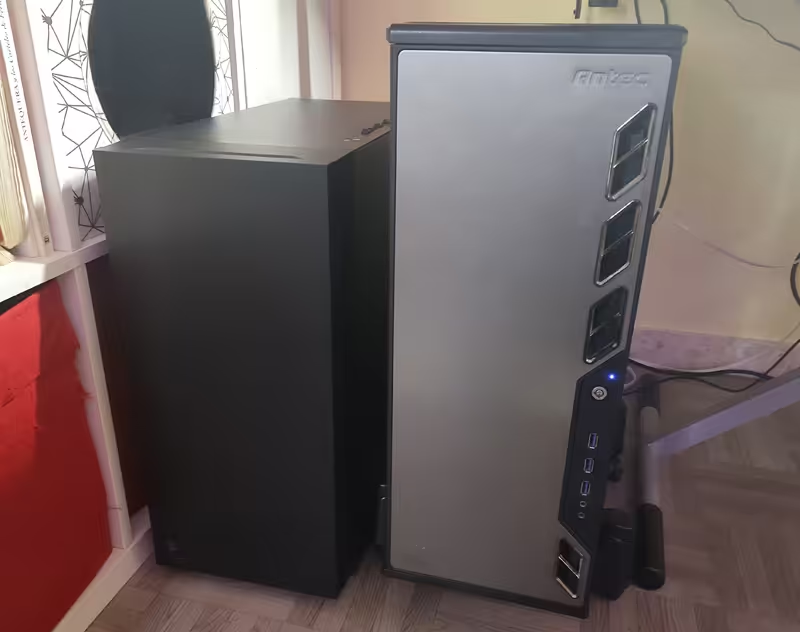
Here you can see it compared to the older, robust and very quiet Antec P183 V3.
Next time we will take a look at the CPU cooler to close this series on the gadgets needed to build a PC from scratch.